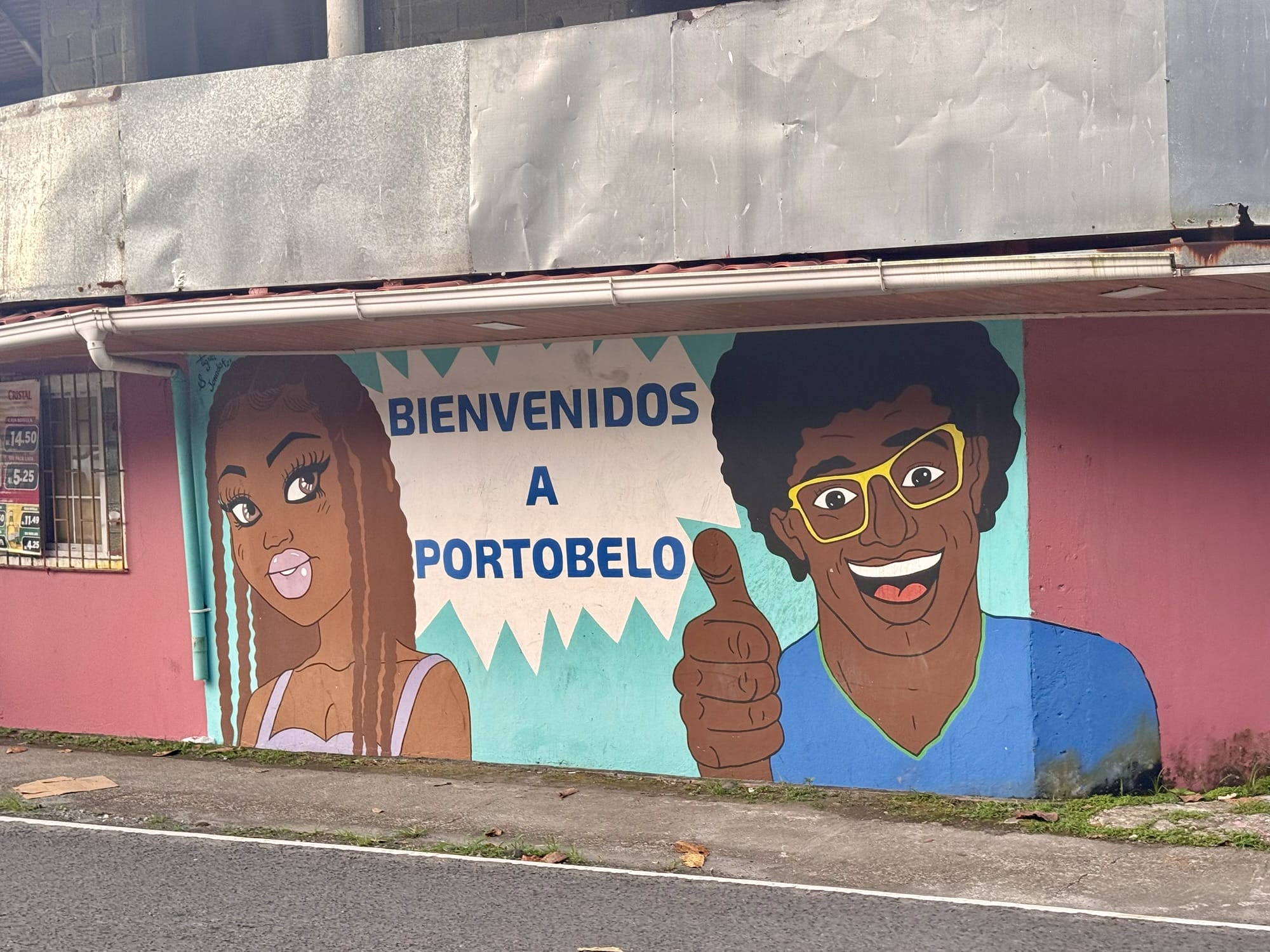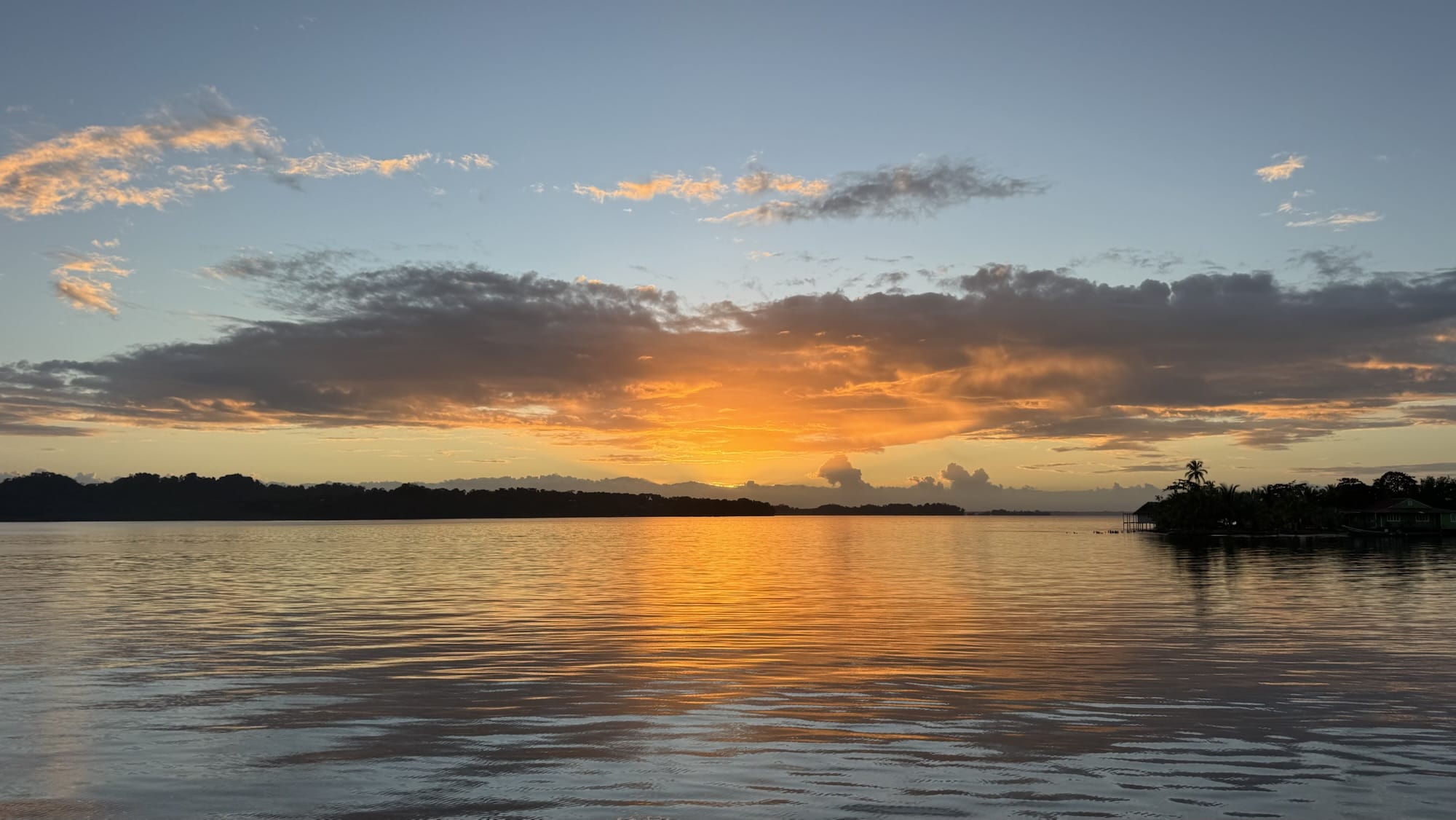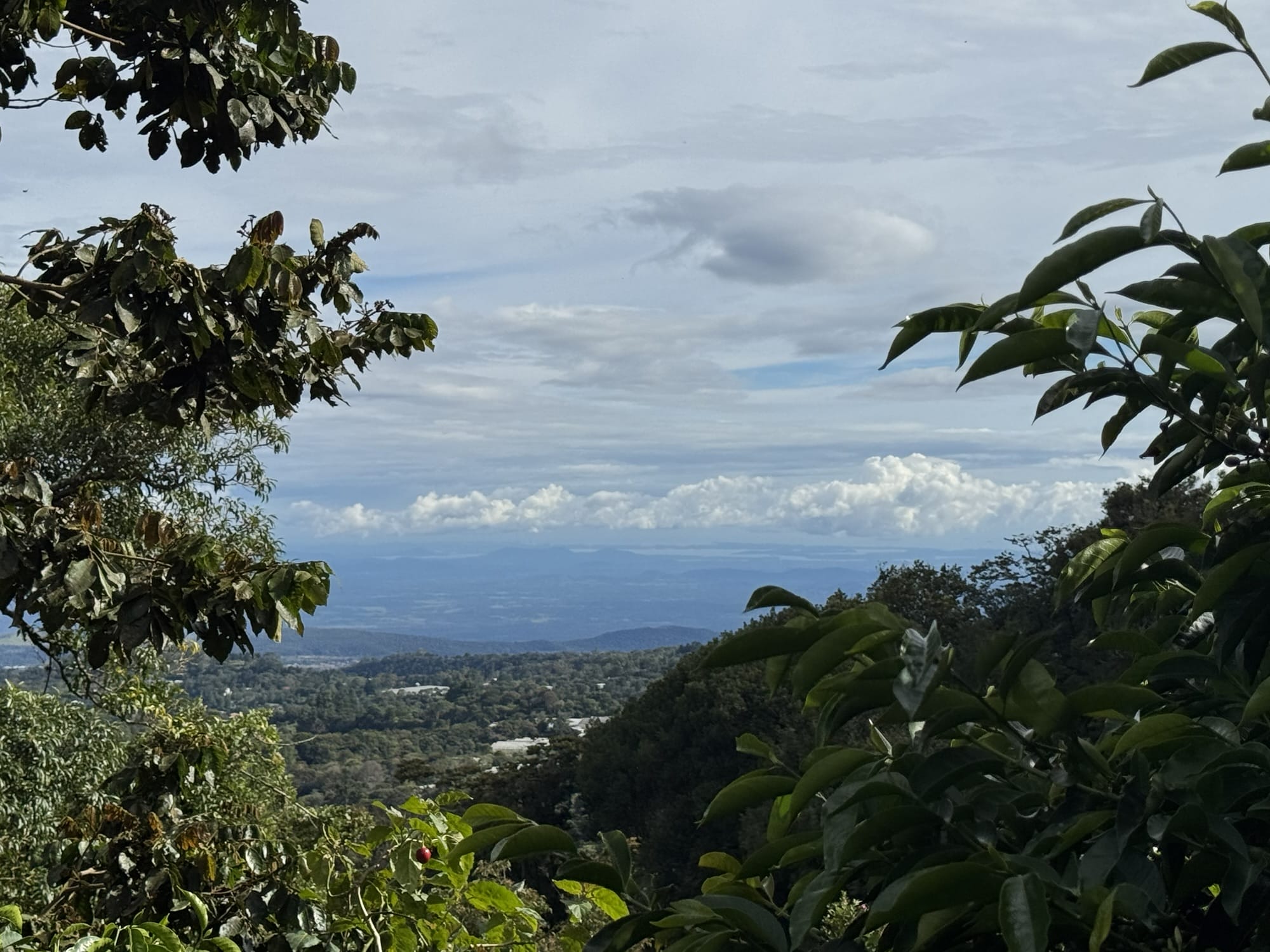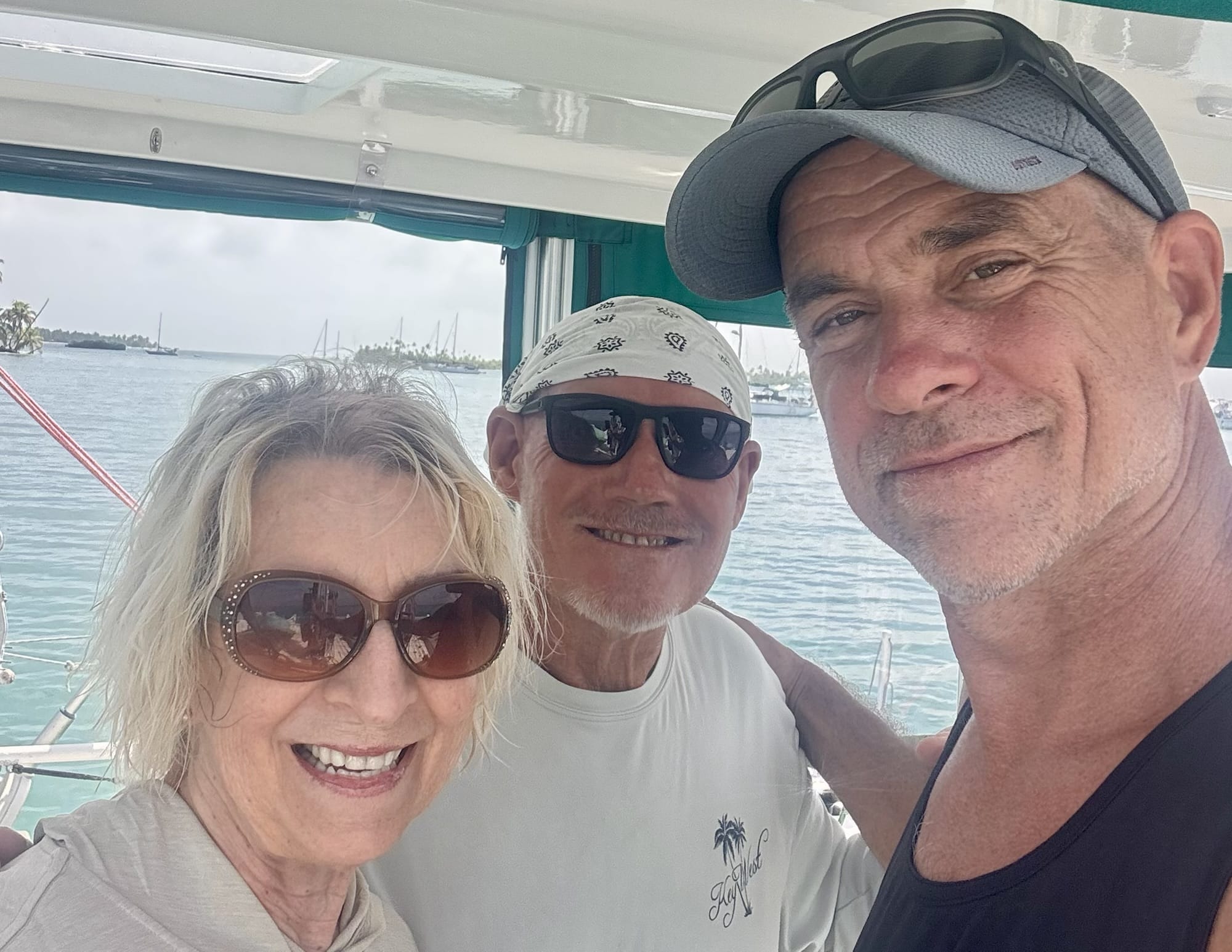
We weighed anchor in Portobelo late in the morning of January 3. A more favorable than usual forecast promised an easy, downwind sail to the San Blas region on the eastern side of Panama’s Caribbean coast.

San Blas is the name the Spanish gave to an archipelago of more than 350 islands along the coast from east of Colon Province to the Colombian border. Today, the islands and a 120 mile strip of coast land make up Guna Yala, the autonomous homeland of the indigenous Guna people.
In Search of the Dry Season
When we sailed into Panama last June, we knew we were arriving near the beginning of Panama’s long rainy season. At the time, I’m not sure we fully understood what that meant. It rains a lot in Panama! Costa Rica, Panama, and Colombia are three of the six rainiest countries in the world. Panama gets an average of 120 inches of rain a year, more than double the rainfall of rainy South Florida. Along the Caribbean coast, rainfall totals can exceed 200 inches per year.

A look at the weather forecaster’s surface analysis tells the story. For most of the year, Panama sits right under the Moonsoon Trough, an elongated area of low pressure where the winds of the northern and southern hemispheres converge. This convergence zone circles most of the globe near the equator and is what sailors in the old days called the “doldrums.” Sailors traversing the doldrums often languished for weeks in a band of little or no wind, punctuated by frequent, rainy squalls. This is what Panama’s rainy season is like–little or no wind, cloudy skies, and daily rain squalls.
November supposedly marks the transition to the dry season, but somehow not this year. November was the rainiest month we experienced. December was no better. We had a dry day early in December when we hiked to the Rio La Gloria waterfall, but it has been cloudy and rainy every day since. Our solar panels don’t keep up with our electrical needs when it is cloudy all day, so we reluctantly run our generator for a few hours most day to keep the batteries topped off.
We really hoped that sailing east in early January would bring us better weather in San Blas. It wasn’t to be. Notice the L marked on the weather chart above? That’s a semipermanent area of of low pressure near the Colombian border. Low pressure usually means rain. We sailed right into a week of nearly continuous, torrential rain.
Sailing to Tupbak, near the eastern end of the archipelago, visibility was so poor in a downpour that we had to slow down and wait several hours for conditions to improve enough to approach our anchorage safely through the reefs.

The Guna
The Guna numbered close to half a million when Columbus arrived in the Americas. Centuries of European disease, weapons, and repression reduced the Guna to fewer than fifty thousand today. Their culture, however, is one of the best preserved and most distinctive among indigenous groups in the Americas. The Guna are rightfully proud of their autonomy, and cherish their strong spiritual, cultural, and linguistic heritage.
We really wanted to experience traditional Guna culture away from the more heavily travelled tourist areas. We’re glad we did. The island villages of Tupbak and Ustupu in the east of Guna Yala are traditional—homes with thatched roofs, cane walls, and dirt floors. Other than a few solar lights, there is no electricity.


Three sailas (chiefs) serve as the spiritual and temporal leaders of each village. Each village has a large congreso hut, where the sailas preside over nightly village meetings. Sitting in hammocks, the sailas recite Guna oral tradition in an archaic metaphorical language unintelligible to regular villagers. A translator interprets these recitations into the vernacular.

Women dress traditionally, wearing gold nose rings, colorful molas, and beads on the forearms and legs. Making and selling molas is an important source of income for the Guna. Molas are the famous Guna textile craft—a reverse appliqué technique of cutting out intricate patterns in multiple layers of colorful fabric.
While male chiefs nominally rule each village, we’ve been told that they typically defer to women’s opinions. Anthropologists call Guna society “matrilocal”: a newly married husband goes to live with—and submit to the leadership of—his wife’s family. The Guna women we met were strong, outgoing, and very much in charge.


Viva la Revolucion!
The Guna are proud of their strong cultural and spiritual traditions, for good reasons. Throughout the Americas, indigenous cultures have suffered centuries of repression. More than most indigenous groups, the Guna have resisted assimilation and maintained strong cultural and political autonomy.
The greatest threat to Guna culture came in the 1920s when the Panamanian government tried to stamp out Guna language and traditions. The Guna resisted, leading to an armed revolt in 1925. Thanks in part to U.S. support—the Americans feared unrest near the Canal Zone—the Guna won cultural and political autonomy that persists today. While the Guna recognize Panamanian sovereignty, they manage their own affairs in Guna Yala with little central government interference.


A Good Life
We came to admire and respect the Guna people during the month we spent in their homeland. They were exceptionally friendly, welcoming, and, apparently, happy. Everywhere we went, villagers welcomed us with smiles, handshakes, fist bumps, and cheerful curiosity. On multiple occasions, I found small children holding my hand as we walked through villages. Villagers displayed genuine happiness in daily life, not just toward us, but also among themselves.
The Guna enjoy long, healthy lives. Life expectancy is well above average for Panama, and the incidence of heart disease and cancer is exceptionally low. Simple, low-stress, spiritual living seems to work for the Guna.